
 中文简体
中文简体 English
 Español
 Deutsch
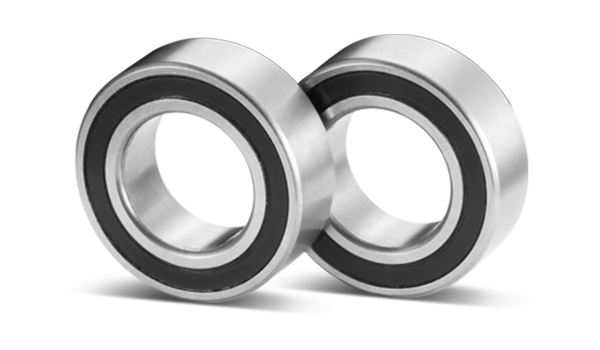
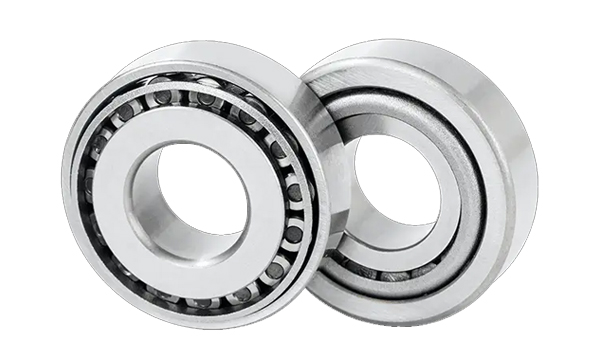
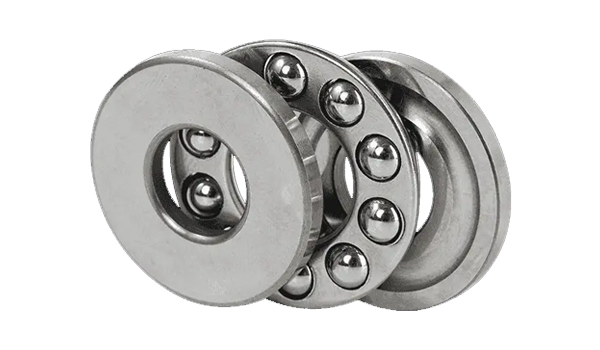
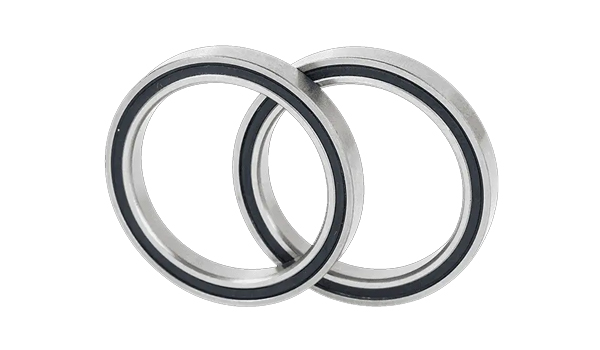
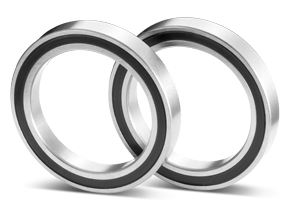
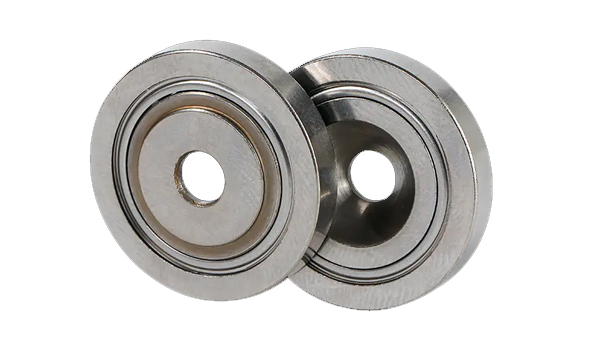
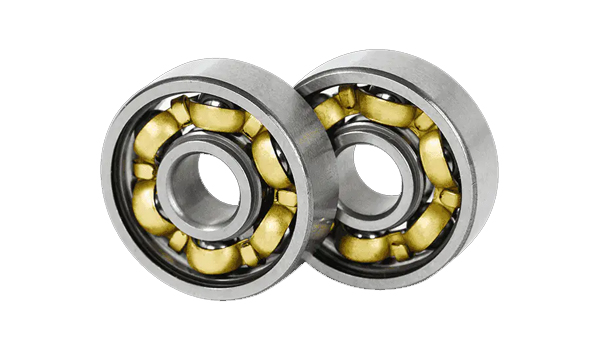
What are ball bearings? An introductory guide.
Content
Ball bearings are a very common type of mechanical component used to help things move smoothly and efficiently with minimal effort. Think of them as tiny, essential helpers that allow parts of a machine to spin or roll against each other.
﹃ What Ball Bearings Are
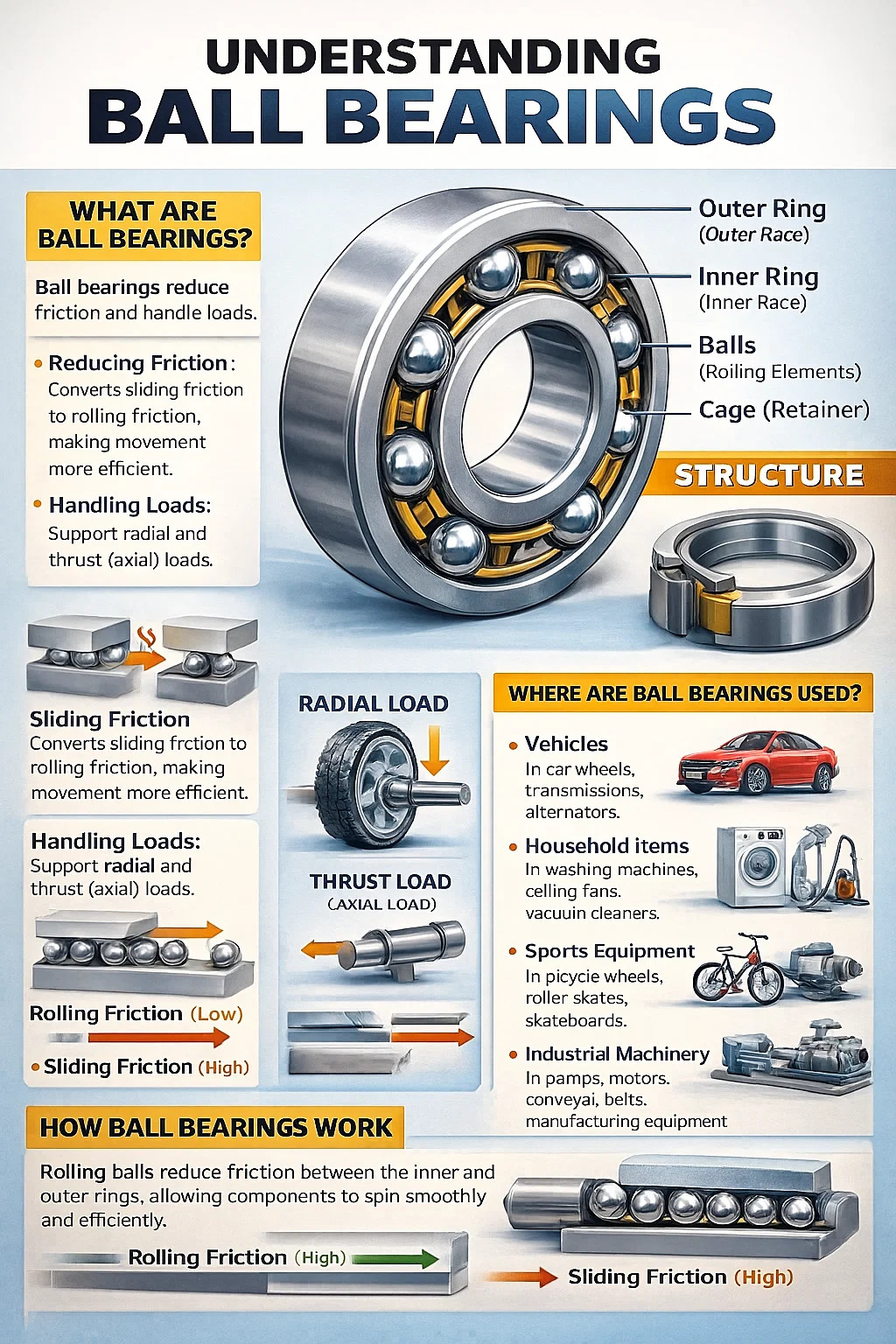
At their core, a ball bearing is a simple device designed to reduce friction and handle loads.
•Reducing Friction: If you try to slide one heavy object across another, you feel a lot of resistance—that's friction. A ball bearing converts this sliding friction into rolling friction. Rolling resistance is much, much lower than sliding resistance, which makes movement easier and saves energy.
•Handling Loads: Bearings support weight and forces. They are particularly good at handling two main types of forces:
•Radial Loads: Forces acting perpendicular to the shaft (like the weight of a spinning wheel).
•Thrust (Axial) Loads: Forces acting parallel to the shaft (like the force pushing a rotating object along its axis).
﹃ The Structure of a Ball Bearing
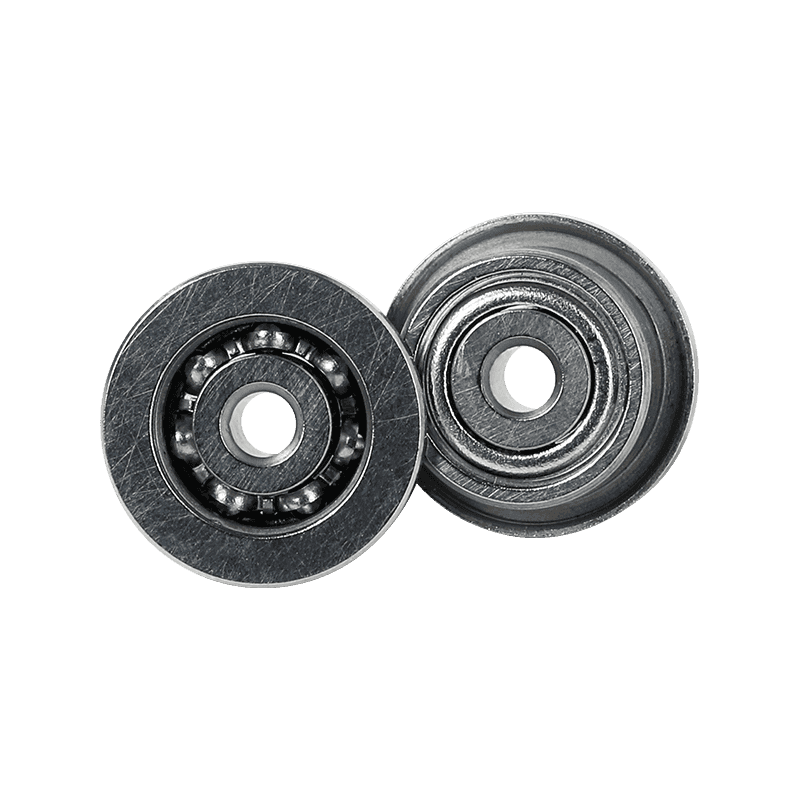
A typical ball bearing is made up of four main parts, arranged concentrically (one inside the other):
•Outer Ring (Outer Race): This is the stationary part, usually fitted into the housing of the machine.
•Inner Ring (Inner Race): This is the rotating part, typically mounted onto a shaft.
•Balls (Rolling Elements): These are the namesake, precision-made spheres situated between the inner and outer rings. They roll to facilitate the movement.
•Cage (Retainer): This keeps the balls separated at equal distances from one another. This is crucial; if the balls touched, they would rub and create friction, defeating the purpose of the bearing.
﹃ Where Are Ball Bearings Used?
You interact with things that use ball bearings every day. They are foundational components in nearly anything that rotates:
•Vehicles: In car wheels, transmissions, and alternators.
•Household Items: In washing machines, ceiling fans, and vacuum cleaners.
•Sports Equipment: In bicycle wheels, roller skates, and skateboards.
•Industrial Machinery: In pumps, motors, conveyor belts, and manufacturing equipment.
Previous Post
How do ball bearings work? What are the core technical principles?
Next Post
What size are miniature bearings? Do you know this?
Related Products


Copyright Ningbo Jinxin Bearing Technology Co., Ltd. All Rights Reserved.
 China Miniature Ball Bearings Manufacturers